Man Cave Buyers Guide is a participant in the Amazon Services LLC Associates Program. If you buy through links on this page we may earn a commission, at no extra cost to you. We do not accept manufacturer samples or payment for favorable coverage.
Buying bar stools looks simple until you get them home and realise your knees are jammed under the counter, or you are perched so high your elbows sit above the bar top. Getting seat height wrong is one of the most common and most avoidable mistakes in home bar setups, and it usually comes down to skipping one basic measurement.
Quick answer: Match seat height to counter height, not the other way round. As a rule of thumb, leave roughly 9 to 13 inches between the seat top and the underside of your counter. Measure your counter first, then shop for stools within that clearance range.
Bar Stool Height Guide: Matching Seat Height to Your Counter
Stool sizing is built around three broad categories that manufacturers generally spec to, though exact numbers vary by brand, so always check the listing before you buy.
Counter height (commonly around 24 to 26 inches)
This category is designed for standard kitchen counters and islands, which most builders finish at roughly 36 inches off the floor. If your home bar top sits at a similar height, counter stools are usually the right starting point.
Bar height (commonly around 28 to 30 inches)
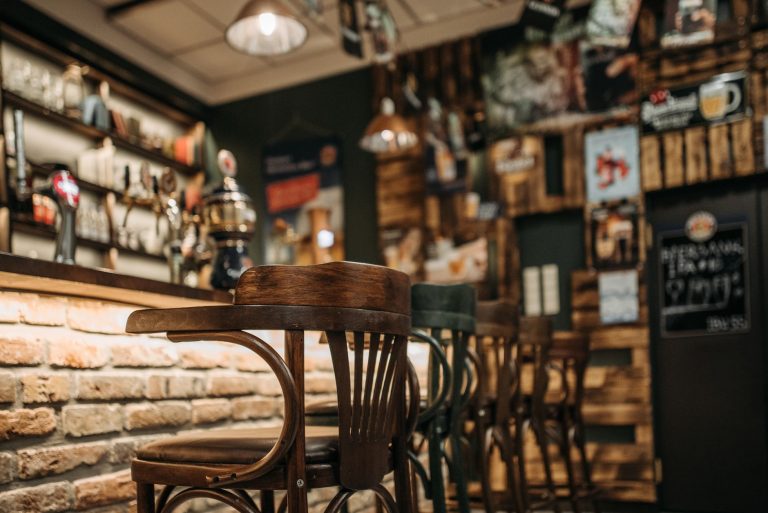
This is the category most people picture when they think of a home bar. It is built to pair with bar tops and pub-style tables, which typically run about 40 to 42 inches tall. Check the spec sheet on both the bar top and the stool before assuming they match.
Spectator or extra-tall height (commonly around 33 to 36 inches)
Less common in home setups, this category pairs with taller bar tops or elevated sections sometimes built into finished basements. It is worth confirming this is genuinely what your space needs before you commit, since seating this tall can feel awkward against a standard-height bar.
The Sizing Walkthrough: How to Measure Before You Buy
Rather than guessing from category names, work through your own numbers:
- Measure from the floor to the underside of your counter or bar top, not the top surface.
- Subtract roughly 9 to 13 inches for comfortable knee clearance, and note that range as your target seat height.
- Check whether the stool you are considering lists seat height as a fixed figure or a range, since adjustable gas-lift stools give you room to fine-tune after the fact.
- Account for footrest position too. A footrest set too high or too low relative to the seat can make an otherwise correctly sized stool feel wrong.
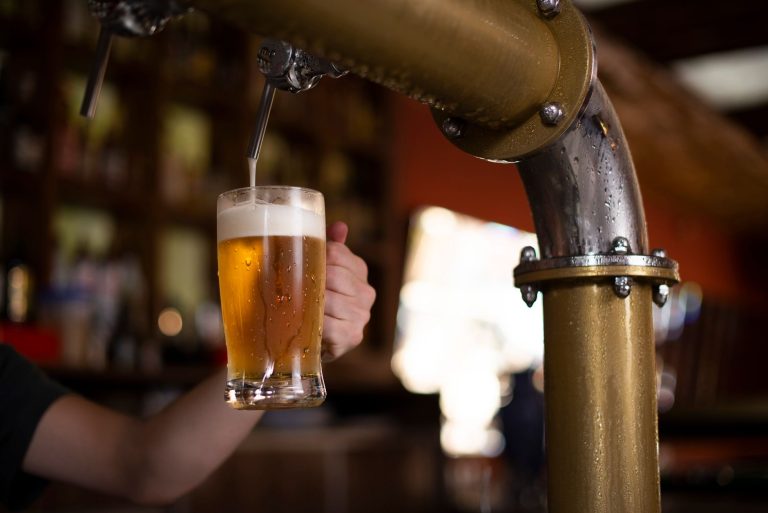
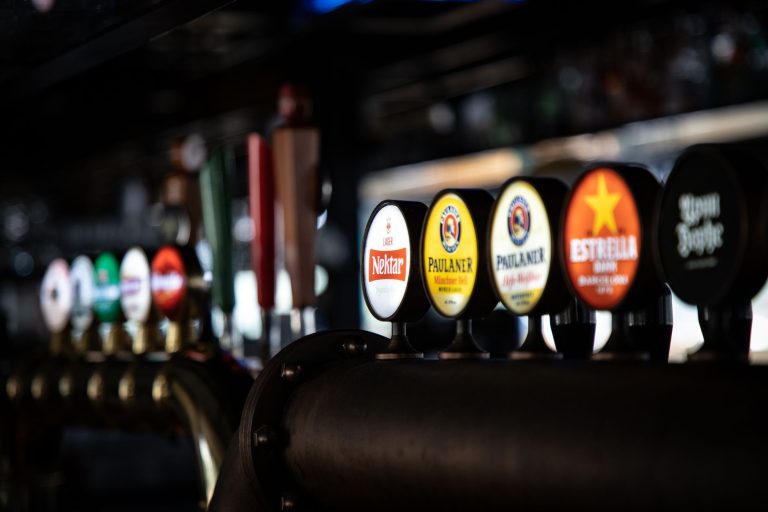
- If your bar area includes built-in features like a beer tap tower or a raised ice well, measure clearance around those too, since they can change how close a stool can sit to the bar.
If you are still finalising the rest of your bar build, it is worth reading our beer tap tower buying guide and our under counter beverage cooler buying guide before you lock in stool height, since both can affect how much knee and elbow room you actually have at the bar.
Comparing the Height Categories
- Counter height: best for kitchen islands and lower home bar tops, generally the most versatile choice for mixed-use rooms.
- Bar height: best match for dedicated pub-style bars and taller custom builds, the most common choice for a true home bar.
- Spectator height: best for elevated sections or raised bar tops, worth confirming with an actual tape measure rather than assuming.
- Adjustable stools: a practical middle ground if you are unsure of final counter height, or if the same stools need to serve more than one surface in the room.
Common Mistakes When Buying Bar Stools
- Measuring the wrong surface. Buyers often measure the top of the counter rather than the underside, which throws off the clearance calculation.
- Ignoring seat width and swivel radius. A stool can be the right height and still feel cramped if the seats are too wide for the space between them.
- Assuming all bar height stools are identical. Manufacturers do not always spec to the same exact figure, so always check the listing rather than assuming.
- Forgetting footrest clearance. A stool that is technically the right height can still feel wrong if the footrest sits at an awkward level for your leg length.
- Not accounting for flooring changes. Adding thick rugs or new flooring after measuring can quietly change your effective clearance.
If you want to browse options once you know your target range, an adjustable bar stool search is a reasonable place to start, since adjustable models give you some margin for error while you finish confirming your measurements.
FAQ
What height bar stool do I need for a 36 inch counter?
For a counter around 36 inches, most buyers do well with counter height stools, generally specced at roughly 24 to 26 inches. Confirm the exact clearance you want by measuring the underside of your own counter first.
What height bar stool do I need for a 42 inch bar?
A bar top around 42 inches typically pairs with bar height stools, commonly specced around 28 to 30 inches. Leave yourself the usual 9 to 13 inch clearance buffer and check the listing before ordering.
Can I mix counter height and bar height stools in the same room?
You can, as long as each set is matched to its own surface. Mixing heights at the same single counter or bar top usually looks and feels inconsistent, so keep matched sets per surface rather than per room.
Are adjustable bar stools a safe default choice?
Adjustable stools can be a sensible option if you are unsure of your exact counter height or plan to move them between surfaces. Just check the adjustable range against your measured clearance target before buying, since not every model adjusts far enough for every setup.
Final Recommendation
Start with a tape measure, not a category label. Measure your counter or bar top height, work out your target clearance, and only then start comparing stools within that range. If you are building out the rest of your home bar at the same time, it is worth planning stool height alongside features like your beverage cooler or tap tower placement, since those elements share the same footprint and clearance you are working around.