
Man Cave Buyers Guide is a participant in the Amazon Services LLC Associates Program. If you buy through links on this page we may earn a commission, at no extra cost to you. We do not accept manufacturer samples or payment for favorable coverage.
Basements come with a built-in set of problems that most decor articles quietly skip over: low ceilings, poor natural light, patchy insulation and, in a lot of homes, some level of dampness. Good man cave basement decor has to solve for those conditions first, then make the space feel like somewhere you actually want to spend an evening. This guide works through it zone by zone, with a framework for deciding where your budget should actually go.
Quick answer: Start with lighting and moisture control before buying decor. Then layer in a defined bar zone, a seating zone with a rug and warm lighting, a wall feature (neon, framed jerseys or a gallery wall) and one focal piece like a bar sign or scoreboard clock to anchor the room’s identity.
Man Cave Basement Decor Planning: Start With the Basement’s Realities
Before choosing any decor, it helps to be honest about what a basement is working against. Skipping this step is the most common reason a basement man cave looks patchy rather than pulled together.
Moisture and Humidity
Fabric furniture, framed prints and wood decor all suffer in a damp basement. If your basement has any history of dampness, a dehumidifier is a decor decision as much as a maintenance one, because it protects everything else you spend money on. Check relative humidity before hanging anything with adhesive backing or investing in leather seating.
Low Ceilings and Poor Natural Light
Dark basements make bold colour choices harder to pull off and can make decor feel cluttered rather than styled. Lighter wall tones, layered lighting (not just one overhead fixture) and mirrors or reflective bar surfaces all help a low-ceiling basement feel less like a storage room and more like a destination.
Zone-by-Zone Decor Ideas
Rather than buying decor piece by piece, it is easier to plan the room in zones. Each zone has a different job, and decor choices should match that job.
The Bar Zone
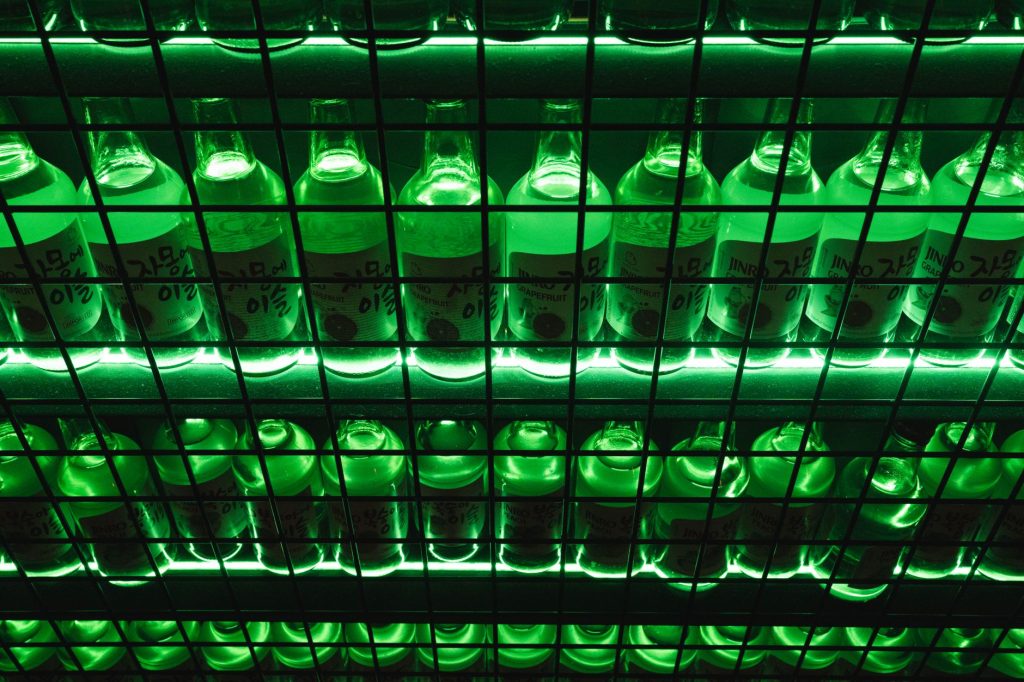
This is usually the anchor of the room. Bar top material affects how decor around it reads, a polished epoxy top suits modern neon and chrome accents, while butcher block leans into a more traditional pub feel. If you have not settled on a bar top yet, our guide to bar top materials is worth reading before you buy decor that has to match it. For decor itself, back-bar shelving, bar mats and a well-chosen sign make a big visual difference without much cost. A search for LED bar signs will show you the range of styles, from beer brand logos to custom name signs.
The Seating and Lounge Zone
A rug does more work here than most people expect, it defines the seating area, softens sound in a room full of hard surfaces, and adds warmth against cold basement flooring. Pair it with warm-toned lamp lighting rather than relying only on overhead cans.
The Game Zone
If your basement includes a pool table, dartboard or arcade cabinet, decor should support that focal point rather than compete with it. Scoreboards, simple wall clocks and a defined rug boundary around the game area work better than a wall full of unrelated signage. For a fuller layout approach, our basement game room bar ideas guide covers how to zone a combined bar and game space properly.
The Wall Zone
Walls are where most man cave personality shows up, and they are also where most people overspend on things that do not hold up in a basement environment. Framed memorabilia, metal signs and neon all work well, but placement and spacing matter more than the individual pieces. If you want a structured approach rather than a scattershot of posters, see our guide to man cave wall decor ideas that actually work.
A Budget Framework for Basement Decor Spend
A simple way to allocate decor budget is to think in three tiers rather than buying randomly as items catch your eye:
- Foundation (highest priority): lighting layers, a rug, moisture control if needed. These affect comfort and protect other purchases.
- Identity pieces (medium priority): one strong focal item, a sign, a framed collection, a scoreboard clock. Pick one, not five.
- Filler decor (lowest priority): smaller accents, coasters, extra shelving trinkets. These are easy to add gradually and easy to overdo early.
Spending in that order avoids the common trap of a wall full of small decor items and no working lighting plan underneath it.
Common Mistakes in Basement Man Cave Decor
- Buying wall decor before checking humidity levels, then watching frames warp or adhesive fail within a season.
- Relying on a single overhead light and expecting decor to look good under it.
- Hanging decor at standard living-room height in a room with lower ceilings, which makes the space feel more cramped.
- Choosing a decor theme that fights with the bar top material or flooring already in place.
- Filling every wall at once instead of starting with one identity piece and building outward.
FAQ
What is the cheapest way to decorate a basement man cave?
Lighting changes and a rug typically deliver the biggest visual improvement for the lowest cost. Add one focal wall piece before spreading budget across many small items.
How do I stop basement decor from getting damaged by moisture?
Check humidity levels before hanging fabric, wood or paper-based decor. A dehumidifier is a reasonable first purchase in any basement with a history of dampness, and it protects everything you decorate with afterwards.
Should decor match the bar top or the flooring first?
Flooring is harder and more expensive to change, so treat it as the fixed point and choose decor and bar top finishes to complement it, not the other way around.
How much wall decor is too much for a small basement?
If you can no longer identify a single focal point when you walk in, the wall is overloaded. One strong piece with breathing space around it usually reads better than a dense collage in a lower-ceiling room.
Closing Recommendation
Treat man cave basement decor as a layered project rather than a shopping list. Sort out lighting and moisture first, define your zones, pick one identity piece per zone, and let filler decor come later. That order protects your spending and tends to produce a room that looks finished rather than assembled piece by piece.