Man Cave Buyers Guide is a participant in the Amazon Services LLC Associates Program. If you buy through links on this page we may earn a commission, at no extra cost to you. We do not accept manufacturer samples or payment for favorable coverage.
A new pool table ball set sounds like a simple purchase until you actually go looking. Sizes vary more than most buyers expect, cue balls come in at least two different flavours, and material quality swings from perfectly fine to genuinely frustrating on the table. Getting this wrong usually means balls that rattle in the pockets, a cue ball that behaves oddly, or a set that just looks cheap next to your table’s felt.
Quick answer: Most home tables use a standard 2 1/4 inch regulation pool table ball set with a matching-size cue ball. Check your current balls or your table’s spec sheet before buying, choose a regulation (non-magnetic) cue ball unless you specifically want ball return separation, and prioritise polyester or phenolic resin sets over cheap acrylic.
Will This Pool Table Ball Set Fit Your Table?
Ball size compatibility has nothing to do with the table’s footprint and everything to do with pocket and rail specs. A 7 foot bar box, an 8 foot home table and a 9 foot regulation table can all use the same ball size, so table length alone will not tell you what to buy.
Check ball diameter first
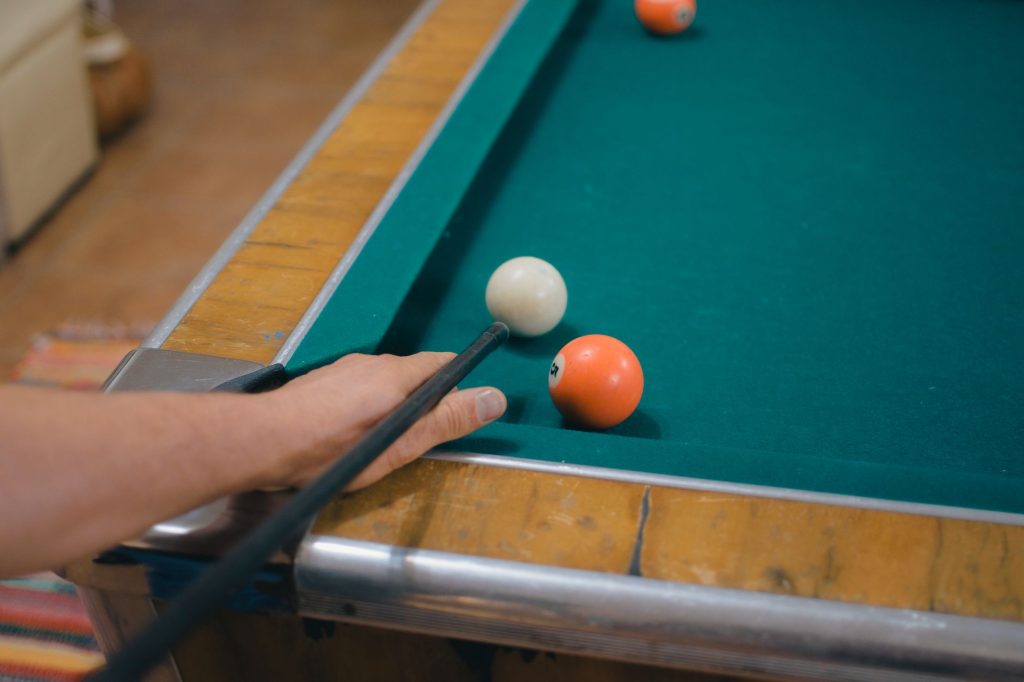
Most manufacturers spec regulation balls at roughly 2 1/4 inches in diameter, and this is the size used on the large majority of home and bar tables in the US. Some coin-op bar tables and older sets run smaller, commonly around 2 1/8 inches, which will look and feel off on a standard table. As a rule of thumb, measure one of your existing balls with a tape measure or calipers before ordering a replacement set, since a mismatch of even an eighth of an inch can cause balls to sit unevenly in the pockets or roll inconsistently on the cloth.
Match the cue ball type to your ball return
This is the detail buyers miss most often. Coin-operated bar tables typically use a magnetic or oversized cue ball so the internal ball return can sort it out from the object balls automatically. Home tables with a drop pocket or a manual ball return generally use a regulation, non-magnetic cue ball that is the same weight and size as the rest of the set. If you put a magnetic cue ball on a home table, it can feel noticeably heavier off the tip and play differently on breaks and long shots. If you are outfitting a table you just bought, our 8 Foot Pool Table Buying Guide and Basement Pool Table Buying Guide both cover the pocket and ball-return styles you are likely to be working with, which is worth a read before you commit to a set.
Consider smaller tables and non-standard setups
If you are running a mini or bar-size table rather than a full-size one, do not assume the balls scale down proportionally. Some mini tables use genuinely undersized balls to suit a shorter rail and smaller pockets, while others are built to run full-size regulation balls on a shrunk table. Our Mini Pool Table Buying Guide walks through what to expect on smaller footprints, so check your table’s documentation or that guide before assuming a standard set will work.
Choosing a Pool Table Ball Set: Material and Quality Tiers
Once size and cue ball type are settled, quality is really about how the set feels and sounds during play, and how long it holds its finish and roundness.
- Polyester resin: The common mid-range choice for home tables. Reasonably durable, consistent colour and a solid, satisfying click on contact. A sensible default for most buyers.
- Phenolic resin: The material used in most professional and tournament-grade sets. Denser and more impact-resistant, which generally means better long-term roundness and less chipping, though it typically costs more.
- Acrylic: The cheapest option and the one most likely to show scuffs, chip at the seams or lose its shine after regular play. Fine for very light or occasional use, less so for a table that sees weekly games.
If you want a set that looks sharp and holds up under regular family or party use, browsing a phenolic resin pool table ball set is a reasonable place to start, since that material tier tends to age better than budget acrylic sets.
Ball Set Types Compared
- Standard regulation set: Numbered 1 to 15 plus a plain cue ball, sized to roughly 2 1/4 inches. Best default for home tables with a manual or drop-pocket return.
- Bar table set with magnetic cue ball: Built for coin-op tables with automatic ball return sorting. Do not use on a home table unless your table is specifically set up for it.
- Novelty or themed sets: Same core sizing as a standard set but with custom colours, logos or patterns. Fine for fit, worth double-checking size and material listed in the description since novelty sets vary more in quality control.
- Larger or casino-style sets: Occasionally sold as roughly 2 1/2 inches, aimed at specific table types. Confirm against your existing balls before ordering, since these are not interchangeable with standard sets.
For a straightforward, widely compatible option, a regulation size pool table ball set covers the majority of home setups and is the safest starting search if you are unsure which category above applies to you.
Common Mistakes When Buying a Pool Table Ball Set
- Guessing size from table length instead of measuring the balls. Table footprint and ball diameter are not linked, so always check the actual balls or the spec sheet.
- Buying a magnetic cue ball for a home table. It will usually work physically, but the weight difference can throw off your feel on breaks and draw shots.
- Choosing the cheapest acrylic set for daily use. It may look fine on arrival, but budget acrylic tends to show wear fastest under frequent play.
- Ignoring colour and number style on older tables. If you are only replacing a couple of lost balls, match the exact pattern and finish, not just the size, or the mismatch will be obvious on the felt.
FAQ
What size is a standard pool table ball set?
Most home and regulation tables use balls specced at roughly 2 1/4 inches in diameter. Always confirm against your current balls, since bar-style and novelty sets can differ.
Can I use a magnetic cue ball on a home pool table?
You generally can if the size matches, but expect it to feel heavier and play slightly differently than a standard cue ball, since magnetic cue balls are built for automatic ball returns rather than feel.
Do all pool table ball sets include 15 balls plus a cue ball?
Standard sets typically include object balls numbered 1 through 15 and one cue ball, for 16 total. Some novelty or specialty sets vary, so check the listing count before buying.
How often should I replace a pool table ball set?
There is no fixed schedule. Watch for visible chipping, dull or scuffed finish, or balls that no longer roll true, and treat those as your cue to shop for a replacement rather than following a set timeline.
If you take one thing from this guide, make it the sizing check. Confirm your ball diameter and cue ball type before you buy, pick a polyester or phenolic set if the table gets regular use, and the rest of the decision comes down to look and budget. If you are still finalising the table itself, our 8 Foot Pool Table Buying Guide is a solid next stop before you commit to a ball set.